
Melatonin And Magnesium For Sleep: Can You Take Them Together?
21 Jul 2026
Key Takeaways
- It is safe to combine both supplements — no known negative interaction in the digestive system.
- Magnesium supports GABA (sleep quality); Melatonin regulates circadian rhythm (sleep onset).
- Together, they address both falling asleep and staying asleep forlong periods.
- Well-tolerated combination used widely across Europe.
- It’sbest to start with low doses of each; then introduce one at a time.
Have you ever tried staring at the ceiling at two o'clock in the morning, counting imaginary sheep, hoping to fall asleep?
It’s not only boring; it can also be frustrating. When the body is exhausted but the brain shows no signs of shutting down, a tiring morning awaits.
Not being able to sleep when you want to can be a gateway to various health issues. Many people battling insomnia want a safe, non-prescription option they can easily get at the local pharmacy.
Fortunately, we’re going to explore two of the most effective solutions in this guide: Melatonin and Magnesium.
Although taking only one of these solutions can improve sleep patterns, some people admit to taking both. For many, they worry that taking multiple medicines at once may cause stomach or digestive complications.
This concern is valid; if they are not compatible, there could be a major health crisis. However, if both solutions are even more potent and safe when taken together, you want to seize the opportunity.
Let’s explore the relationship between these two sleep aids so that you can make the right choice for a safe, restful night.
Table of Contents
- Can You Take Melatonin and Magnesium Together?
- How Melatonin Supports Sleep Onset
- How Magnesium Supports Sleep Quality
- Does Research Support Taking Both?
- Which Magnesium Form Works Best with Melatonin?
- Do Other Supplements Pair Well with Melatonin?
- How to Plan a Simple Sleep Stack for Taking Them Together
- Slutsats
- FAQs
Can You Take Melatonin and Magnesium Together?
Curious people often ask health professionals,
“Can you take Magnesium and Melatonin together?”
Nutritional experts usually give an affirmative response.
When these two substances combine, they don’t create any negative drug interaction inside the body. In fact, they are widely used across Europe as a natural sleep stack because they target different parts of the nighttime relaxation process.
When you consume Magnesium and Melatonin together, the two ingredients pass through the digestive system without blocking each other's absorption. They have unique functions.
While Melatonin signals the brain of looming darkness, Magnesium acts as a physical relaxer for the muscles and nerves. Since their jobs do not overlap in a harmful way, you can take them during the same bedtime routine.
How Melatonin Supports Sleep Onset
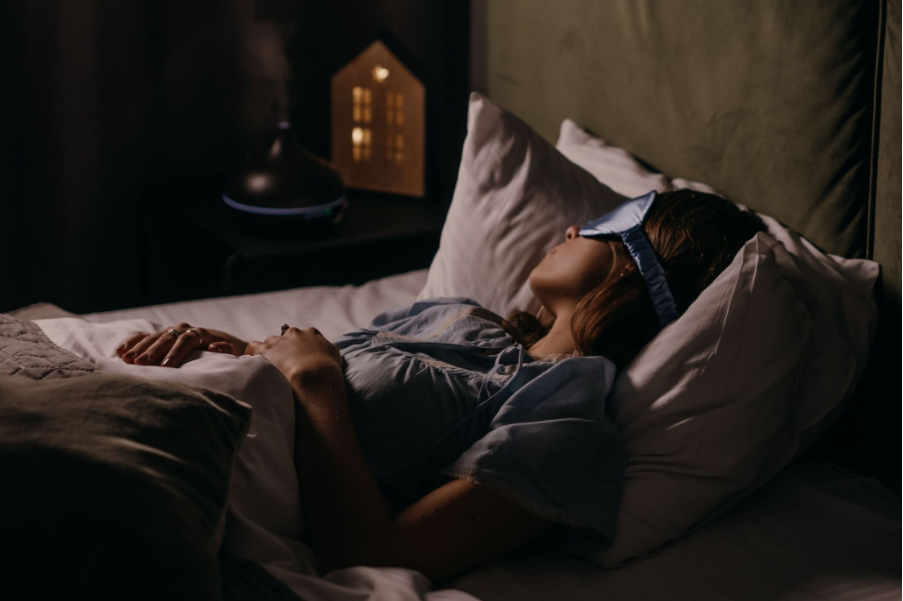
Knowing the role of Melatonin will help you understand why this combo works.
Melatonin is a natural hormone that is manufactured by the brain’s pineal gland. When the sun sets and darkness falls, the eyes sense darkness; Melatonin is released into the bloodstream to signal bedtime.
Although the body naturally produces Melatonin, modern inventions like bright smartphone screens, television lights, or dynamic work hours deplete it.
To restore balance, you’ll need a high-quality Melatonin-inducing supplement. For example, a specialized product like Vitasunn Timed Release 3mg Melatonin is a popular choice as it releases steady, manageable doses into the body.
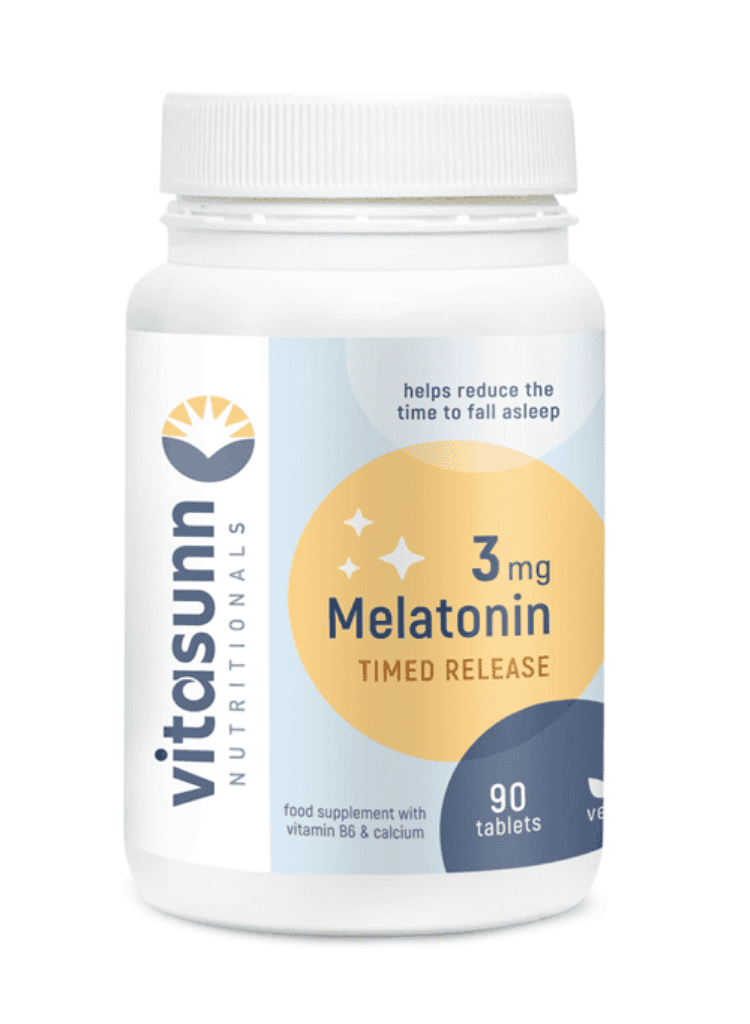
As the hormone slowly enters the blood over several hours, it mimics the natural rhythm of the brain and enhances longer sleep. Historical data also proves that supplemental Melatonin is highly effective at reducing the number of minutes required for sleep onset, which simply means the act of falling asleep.
How Magnesium Supports Sleep Quality
While Melatonin deals with the clock, Magnesium handles the physical state of the body.
Magnesium is an essential mineral that humans obtain through food or supplements, as the body cannot manufacture it on its own. It is used in over 300 different chemical reactions inside human cells, but its main job at night involves a chemical messenger called GABA (gamma-aminobutyric acid).
Multiple published studies suggest that GABA slows down racing thoughts and calms the nervous system. When Magnesium binds to GABA receptors in the brain, the body becomes less stressed and enters into a deeply relaxed state.
These recent clinical trials studying older adults show that sleep quality significantly improved with daily Magnesium intake, with extended deep sleep stages.
Does Research Support Taking Both?
Using these two items at the same time creates a routine for sleep stack supplements.
A major clinical study also examined the effects of a combined sleep stack containing both Melatonin and Magnesium. In this study, the best sleep supplements together were given to individuals experiencing long-term difficulties resting at night.
The research published on PubMed demonstrated that the participants fell asleep faster due to the Melatonin, while their total sleep duration and daytime alertness significantly improved due to the presence of the Magnesium. These combinations work on complementary biological pathways, making it highly logical for comprehensive overnight support.
Which Magnesium Form Works Best with Melatonin?

If it’s your first time, you will likely find different types of Magnesium on the shelves. It can be confusing.
What’s more, these different types behave differently inside the stomach, so selecting the correct type is critical.
- Magnesium Glycinate: Many consider Magnesium glycinate for sleep the most effective. In this form, the mineral is bound to an amino acid called Glycine. It is the best-tolerated form for sleep since it is absorbency-friendly and very gentle on the stomach. Glycine also has its own calming effects on the brain.
- Magnesium Citrate: This form is bound to citric acid. The human body also absorbs it well, but it draws a lot of water into the intestines. It is often used to treat constipation, so taking too much at night may cause stomach aches or loose stools.
- Magnesium Oxide: This is a very common and accessible form, but it has very low bioavailability. It means that most of the mineral goes to waste as the gut cannot easily absorb it, making it a poor choice for nighttime relaxation.
Do Other Supplements Pair Well with Melatonin?
Perhaps you’re curious about other supplements besides Magnesium that go well with Melatonin. Fortunately, there are other safe options if you want to expand your nighttime routine beyond Magnesium and Melatonin.
One combination that many frequently research online is the Melatonin Magnesium 5-HTP trio. 5-HTP (5-Hydroxytryptophan) is a compound that turns into serotonin in the brain, the chemical that helps create natural Melatonin. When these three combine, they produce a relaxation system that extends multiple stages.
Besides 5-HTP, other natural items like L-theanine (an amino acid found in green tea) and valerian root also pair well with Melatonin to lower baseline anxiety before the snoozefest. However, experts recommend that users should only introduce one supplement at a time to accurately monitor the body's reaction.
How to Plan a Simple Sleep Stack for Taking Them Together

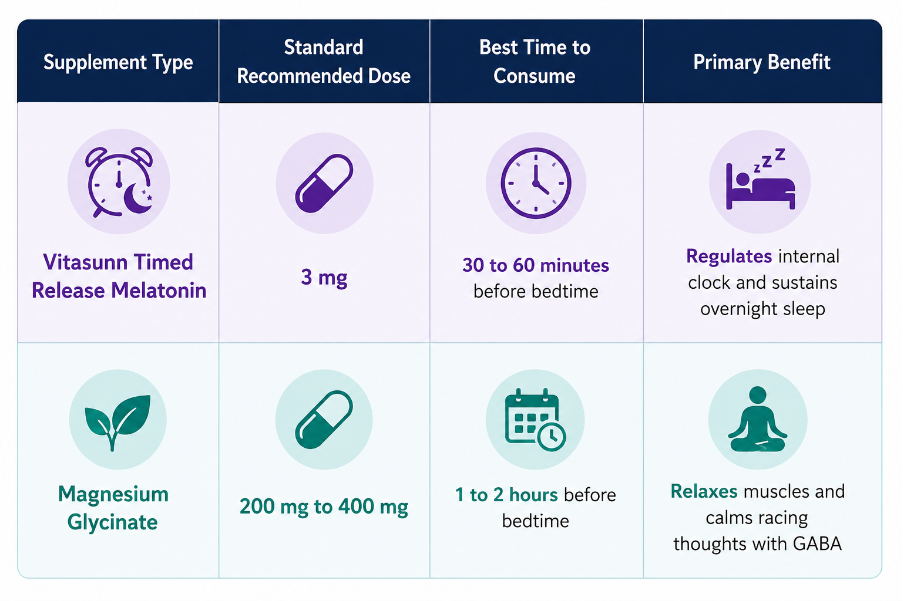
To safely start utilizing a Magnesium Melatonin combination, you need a clear plan regarding timing and dosage. The guide below outlines how to plan this routine, especially for adults.
Slutsats
Melatonin and Magnesium work on different but complementary pathways, making them one of the most effective sleep supplement combinations. Use Vitasunn's timed-release Melatonin for sustained overnight support alongside the Magnesium supplement you choose.
Pairing the clock-regulating power of a hormone with the deep physical relaxation of an essential mineral gives the body its best possible chance to experience a deep, uninterrupted rest.
When you use this combination consistently and correctly in a dark, quiet room, you can finally end the frustrating nighttime routine and wake up with sufficient energy for the day ahead.
So, if you're ready to improve your sleep routine, explore our Melatonin Sleep collection to find high-quality Melatonin supplements designed to help you fall asleep faster and enjoy more restful nights.
VANLIGA FRÅGOR
Q1: Can you take Melatonin and Magnesium together?
Yes. They work on different receptors and do not hinder each other from being effective. Also, there have been no reports of adverse interactions at standard doses.
Q2: Does Magnesium increase Melatonin?
Magnesium may support the enzyme that converts serotonin to Melatonin, potentially boosting natural production. This action may increase Melatonin production.
Q3: What is the best time to take Magnesium and Melatonin?
Medical experts recommend taking Magnesium between 1 and 2 hours before bed (with food if glycinate). Meanwhile, Melatonin may work best when taken between 30 and 60 minutes before sleep.
Q4: How much Magnesium should I take with Melatonin?
The average adult can take between 200–400 mg magnesium glycinate or citrate alongside 1–3 mg melatonin. It’s best to start with low or small doses before slowly increasing them.
Q5: Which is better for sleep — Melatonin or Magnesium?
They are both effective for sound sleep and serve different functions. Melatonin helps with sleep onset, while Magnesium may significantly improve sleep quality. Together, they cover both crucial facets of experiencing quality sleep.
Q6: Can I take Melatonin, Magnesium and 5-HTP together?
You can. In fact, many sleep stacks include all three. However, introduce one at a time and start at low doses.
Q7: Is L-theanine a good addition to this combination?
Yes. L-theanine promotes relaxation without causing drowsiness and is a common sleep stack component. Since it doesn’t cause drowsiness, adults can use it during breaks in a work environment.
Q8: Should I cycle off Melatonin and Magnesium?
Cycling is advisable for Melatonin if you only use it as needed. Since Magnesium is a dietary mineral, it is suitable for consistent daily use.