
Melatonin Not Working? 9 Reasons Your Sleep Supplement Isn't Helping and How to Fix It
20 Nov 2026
Key Takeaways
- Most common reasons why melatonin for sleep appears to fail are: wrong timing, wrong dose, light exposure, and the wrong format.
- Take melatonin 30-60 minutes before going to sleep. If your body clock is late, consider taking it early.
- Start low. A single dose of 0.5 to 1 mg is usually sufficient, and higher doses don't necessarily yield better results.
- Keep lights dim, avoid late caffeine, and maintain a regular sleep routine.
- After several weeks, if it doesn't improve, consult a physician regarding sleep apnea, restless legs, or insomnia.
You take your tablet, turn off the light, and wait. An hour later, you are still looking up at the ceiling.
So, does melatonin work?
It does for many, provided that the basics are in place. The most frequent causes of failed melatonin applications are timing, dosage, light exposure, and the format of the problem.
The good news is that each one is fixable. According to a review, melatonin helps people fall asleep approximately seven minutes faster than a placebo, on average. That is a gentle nudge, not a knockout punch, so little details count. Here are nine reasons why melatonin can fail and a short list of simple fixes.
New to melatonin supplements for sleep, or a long-time user?
The steps below are easy to follow.
Table of Contents
- Why Melatonin May Not Be Working
- 9 Reasons Melatonin Isn’t Working
- How To Make Melatonin Work Better: A 7-Step Checklist
- Which Melatonin Format Suits Your Sleep Problem?
- When To See a Doctor
- FAQs
- Slutsats
Why Melatonin May Not Be Working
Melatonin is a timing signal. It communicates to your body that it's nighttime. It won't force you to sleep. You might not see any change if the signal is not timely, not enough, or not in the right form.
Here are the nine reasons in short:
- You take it at the wrong time
- The dosage is excessively high
- Bright lights and screens reverse the effect
- Caffeine, alcohol, or late meals interfere
- The format you used does not match your problem
- Your sleep pattern shifts daily
- The actual problem is stress or anxiety
- The product is not of good quality
- There is an underlying sleep disorder
9 Reasons Melatonin Isn’t Working
1. You Take It at the Wrong Time
Melatonin functions best when taken 30 to 60 minutes prior to sleep, not right before turning off the light. This is the most basic response to the question “how long does melatonin take to work?” Most people feel drowsy after about an hour. If taken at lights out, it hasn't had time to work.
If your body clock runs later and you can't fall asleep until 2 am, you might want to take it earlier in the evening. In a 2024 randomized trial of 40 adults with a late body clock, evening melatonin (0.5 mg) combined with dim light and a set bedtime shifted their clock earlier over four weeks.
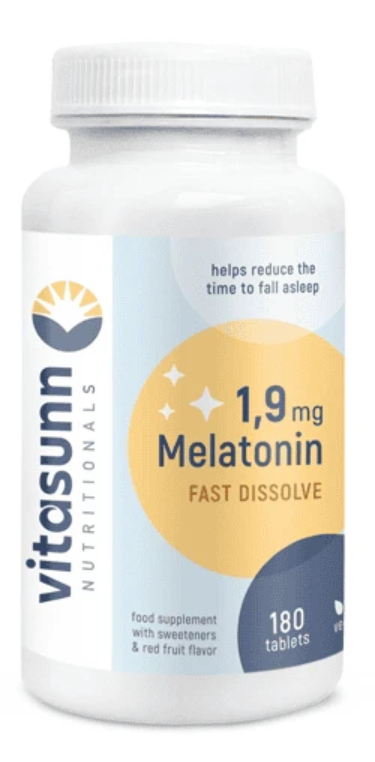
If it's a body clock issue, timing is critical. The fast-dissolve option, like Vitasunn Melatonin 1.9mg Fast Dissolve Chewable Tablets, is perfect for this pre-bed window. To learn more, read our guide on when to take melatonin.
2. The Dose Is Too High
A higher dose is not a stronger dose, and 0.5 to 1 mg is a good starting point. A 2023 JAMA study found that as little as 0.1-0.3 mg is enough to raise blood levels to the normal night range in young adults. Excesses can leave you feeling sluggish the following day.
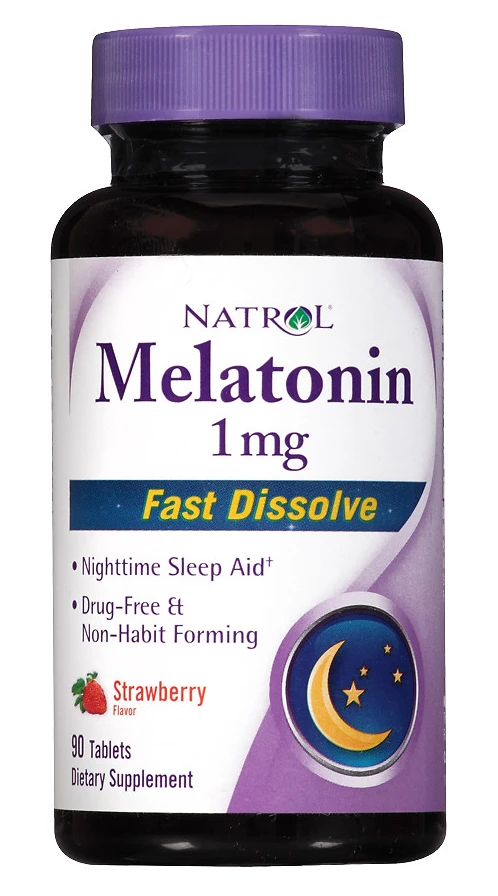
Another Mayo researcher has cautioned that too much melatonin can disrupt your body clock rather than help it. If you have been taking 5 or 10 mg and have had poor results, then try reducing the dose. Natrol Melatonin 1mg Fast-Dissolve or Vitasunn Melatonin Liquid at 1mg per dose makes it easy to take small steps. For more detailed information, check our How Much Melatonin page.
3. Bright Light and Screens After Taking It
Bright light signals to your brain that it's still daytime, countering the melatonin you just took. According to a study, ordinary room light in the evening disrupted the onset of the natural production of melatonin in 99 percent of people.
It also reduced melatonin duration by approximately 90 minutes as compared to dim light. Phones, tablets, and TVs contribute to the glow. Turn the lights down after taking the dose, and turn off screens for approximately 1 hour before going to sleep.
4. Caffeine, Alcohol, and Late Meals

The effects of melatonin can be counteracted by caffeine, alcohol, and heavy late meals. The primary culprit is caffeine. Research revealed that consuming 400mg of caffeine (2-3 cups of coffee) within 6 hours of sleep reduced sleep duration by over 1 hour.
Many were unaware. At first, alcohol can make you sleepy, but it disrupts your sleep later in the night. Eating a large meal near bedtime slows down your body's metabolism. Eat 2-3 hours before going to sleep.
5. Wrong Format: Fast-Acting Vs Timed-Release
Fast-acting melatonin is used to induce sleepiness, while timed-release melatonin is used to help you stay asleep. If you fall asleep easily but wake up at 3 a.m., a fast-dissolve tablet might not last long enough.
A slow-release tablet spreads the dose over the course of the night. When you have trouble getting asleep, fast-acting is often the better match. If night waking is a problem, consider the Vitasunn Melatonin Timed Release 3mg Vegan Tablets. Often, the key is to match the format to the problem.
6. Inconsistent Sleep Schedule
The best way to get the most out of melatonin is to go to bed and get up at the same time each day. Your body clock adapts to routine. A supplement cannot guess when night starts if you go to bed at 10 p.m. one night and at 2 a.m. the next.
Late weekend lie-ins can also delay your clock. Choose the same bedtime, take the melatonin at the same time in the evening, and get up at the same time in the morning.
7. Stress or Anxiety Is the Real Issue

Melatonin signals nighttime, but it cannot turn off a busy and worried mind. If you can't stop thinking at bedtime, the issue is stress, not timing. Melatonin can be slightly beneficial, but it is not a calming treatment.
Engage in a wind-down routine: a warm shower, reading, gentle stretching, or writing tomorrow's to-do list on paper. A few people also combine melatonin with magnesium. Vitasunn’s Liposomal Magnesium Bisglycinate by MITO Biomedical is listed as a complementary melatonin supplement. If worry follows you into the night week after week, consult a physician.
8. Low-Quality Product
If the product isn't strong or effective, it may seem like the melatonin isn't working, but the problem may actually be in the product. Quality varies. Select a supplier that has clear labelling and ingredient information. For instance, the Vitasunn Melatonin 3mg Vegan Capsules are said to be pharmaceutical grade and laboratory-synthesized, with no additives.
9. An Underlying Sleep Disorder
Melatonin cannot fix sleep apnoea, restless legs syndrome, or chronic insomnia, because it does not treat their causes. Loud snoring, gasping at night, an urge to move your legs in bed, or poor sleep on most nights for months all point beyond a simple supplement.
In these cases, melatonin may seem useless because it is the wrong tool. A doctor can test for the real cause and suggest proper treatment.
How To Make Melatonin Work Better: A 7-Step Checklist
- Start Low: Try 0.5 to 1 mg before moving up
- Mind the Clock: Take it 30 to 60 minutes before bed
- Dim the Lights: Lower lamps and put screens away for an hour
- Watch Your Intake: Skip caffeine after early afternoon, limit alcohol, and finish eating two to three hours before bed
- Pick the Right Format: Use fast-acting for falling asleep and timed-release for staying asleep
- Keep a Steady Schedule: Go to bed and wake up at the same times every day
- Give it Time and Track it: Use a simple sleep diary for one to two weeks, and change only one thing at a time
Which Melatonin Format Suits Your Sleep Problem?
Use this table as a starting point. Doses are typical examples, not medical advice. You can compare the full range of melatonin supplements for sleep on the Vitasunn site.
|
Problem |
Format |
Typical Dose |
Example Product |
|
Trouble falling asleep |
Fast-dissolve chewable tablet |
1 to 2 mg |
|
|
Want to adjust the dose in small steps |
Vätska |
1 mg per dose |
|
|
Waking in the night |
Timed-release tablet |
3 mg |
|
|
Body clock runs late |
Fast-dissolve, taken earlier (ask a doctor) |
0.5 to 1 mg |
|
|
Prefer a simple capsule |
Capsule |
3 mg |
When To See a Doctor
Melatonin is a short-term helper, not a cure for ongoing sleep trouble. Book a visit if:
- Poor sleep lasts for several weeks, even after the steps above
- You snore loudly, gasp, or stop breathing in your sleep
- You feel strong urges to move your legs at night
- You feel very sleepy during the day or have low mood
Speak to a doctor or pharmacist before you start if you are pregnant, breastfeeding, have an autoimmune condition, or take prescription medicines. Melatonin can interact with some drugs, including blood thinners and anti-seizure medicines.
Slutsats
If melatonin is not working, the fix is often simple. Take a low dose 30 to 60 minutes before bed, dim the lights, cut late caffeine, and keep a steady schedule. Match the format to your problem, and choose a product with clear labels. If sleep still does not improve, speak to a doctor to rule out a hidden cause.
Ready to find the right fit?
Explore Vitasunn melatonin supplements for sleep and choose a format that suits you.
FAQs
1. Why is melatonin not working for me?
Usually it is timing, dose, light, caffeine, or the wrong format. Fix those first. If sleep stays poor, an underlying issue such as sleep apnoea may be involved.
2. How long does melatonin take to work?
Most people feel sleepy 30 to 60 minutes after a fast-acting dose. Timed-release tablets release more slowly, so they suit staying asleep better.
3. What time should I take melatonin before bed?
Aim for 30 to 60 minutes before your target bedtime. If your body clock runs late, a doctor may suggest taking it earlier.
4. Can you build a tolerance to melatonin?
Evidence suggests that melatonin tolerance is not a big issue. A review found its modest effects did not fade with continued use. If it seems to stop working, review your habits and ask a doctor.
5. Is a higher melatonin dose more effective?
Not necessarily. Small doses can raise blood levels into the normal night range. Higher doses may cause grogginess without better sleep.
6. Does caffeine or alcohol stop melatonin working?
They can undermine it. Caffeine six hours before bed cut sleep by over an hour in one study, and alcohol breaks up sleep later in the night.
7. Does screen time cancel out melatonin?
Bright light suppresses your natural melatonin and delays your body clock, so it can work against a supplement. Dim the lights and put screens away an hour before bed.
8. Should I switch to timed-release melatonin if I wake at night?
It may help, since the dose releases slowly through the night. A 3 mg timed-release tablet is a common choice. Check with a doctor if night waking is frequent.
9. Can melatonin help with anxiety-related sleeplessness?
Melatonin does not treat anxiety. It may help with sleep timing, but a calming bedtime routine matters more. See a doctor if worry keeps you awake often.
10. When should I see a doctor about sleep problems?
See one if trouble sleeping lasts several weeks, affects your day, or comes with loud snoring, gasping, or restless legs.